
Safety
Safety, Systems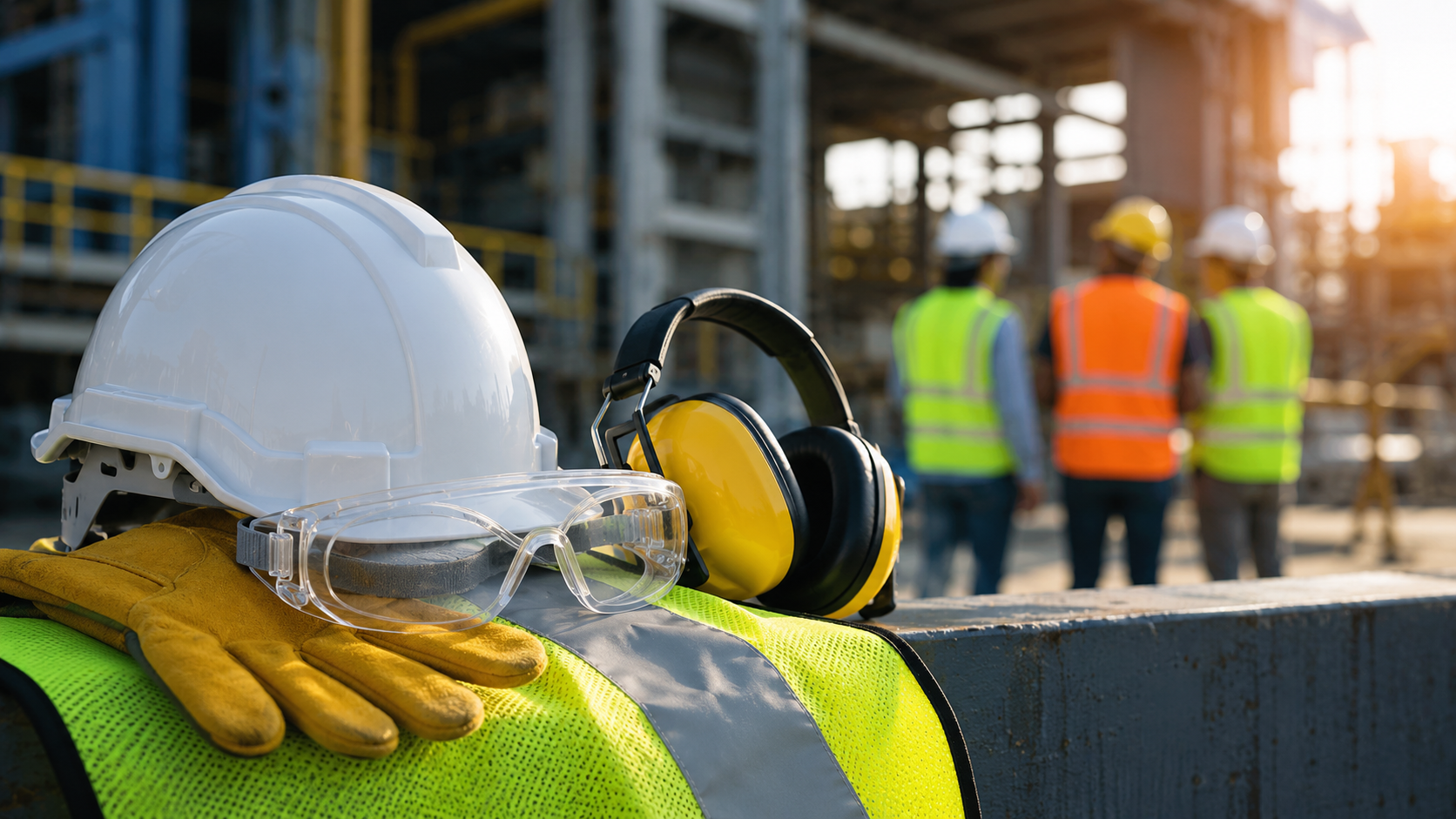 Safety is a discipline that focuses on ensuring the safety of people, equipment, processes, and environments. It involves the application of scientific and engineering principles to identify, assess, and control potential hazards and risks in various settings. The primary goal of safety engineering is to prevent accidents, injuries, and adverse events by designing and implementing effective safety measures and controls. It encompasses a wide range of industries and sectors, including manufacturing, construction, transportation, healthcare, energy, and more.
| Science |
| Applied Science |
| Engineering |
| Systems Engineering |
| Safety |
Aviation Safety - Focuses on the safe design, operation, and regulation of aircraft and air transportation systems.
Chemical Safety - Addresses hazards related to the handling, storage, transport, and use of chemicals.
Construction Safety - Addresses hazards associated with construction activities, including falls, equipment accidents, and structural risks.
Electrical Safety - Focuses on preventing electrical hazards such as shock, arc flash, and electrical fires in equipment and power systems.
Environmental Health and Safety (EHS) - Integrates occupational safety, environmental protection, and health risk management in organizational operations.
Fire Safety - Concerned with preventing, detecting, and mitigating fires, including fire protection engineering and emergency response planning.
Food Safety - Ensures that food handling, processing, and distribution practices prevent contamination and illness.
Industrial Safety - Concerned with accident prevention in industrial environments such as factories, plants, and manufacturing facilities.
Laboratory Safety - Concerned with safe practices and hazard controls in scientific and research laboratories.
Machine Safety - Focuses on preventing injuries caused by machinery through guarding, control systems, and safe design.
Maritime Safety - Addresses safety in shipping, offshore operations, and marine transportation.
Nuclear Safety - Ensures safe operation of nuclear facilities and protection from radiation hazards.
Occupational Safety - Focuses on preventing injuries, illnesses, and fatalities in the workplace through hazard identification, risk control, and regulatory compliance.
Product Safety - Ensures that consumer and industrial products are designed and manufactured to prevent harm during intended use.
Public Safety - Addresses protection of the general population from hazards, disasters, and emergencies.
Radiation Safety - Concerned with protecting people and the environment from harmful exposure to ionizing radiation.
Road (Traffic) Safety - Focuses on preventing injuries and fatalities associated with roadway transportation.
Transportation Safety - Concerned with preventing accidents and improving safety across transportation systems.