
Health Science
Applied Science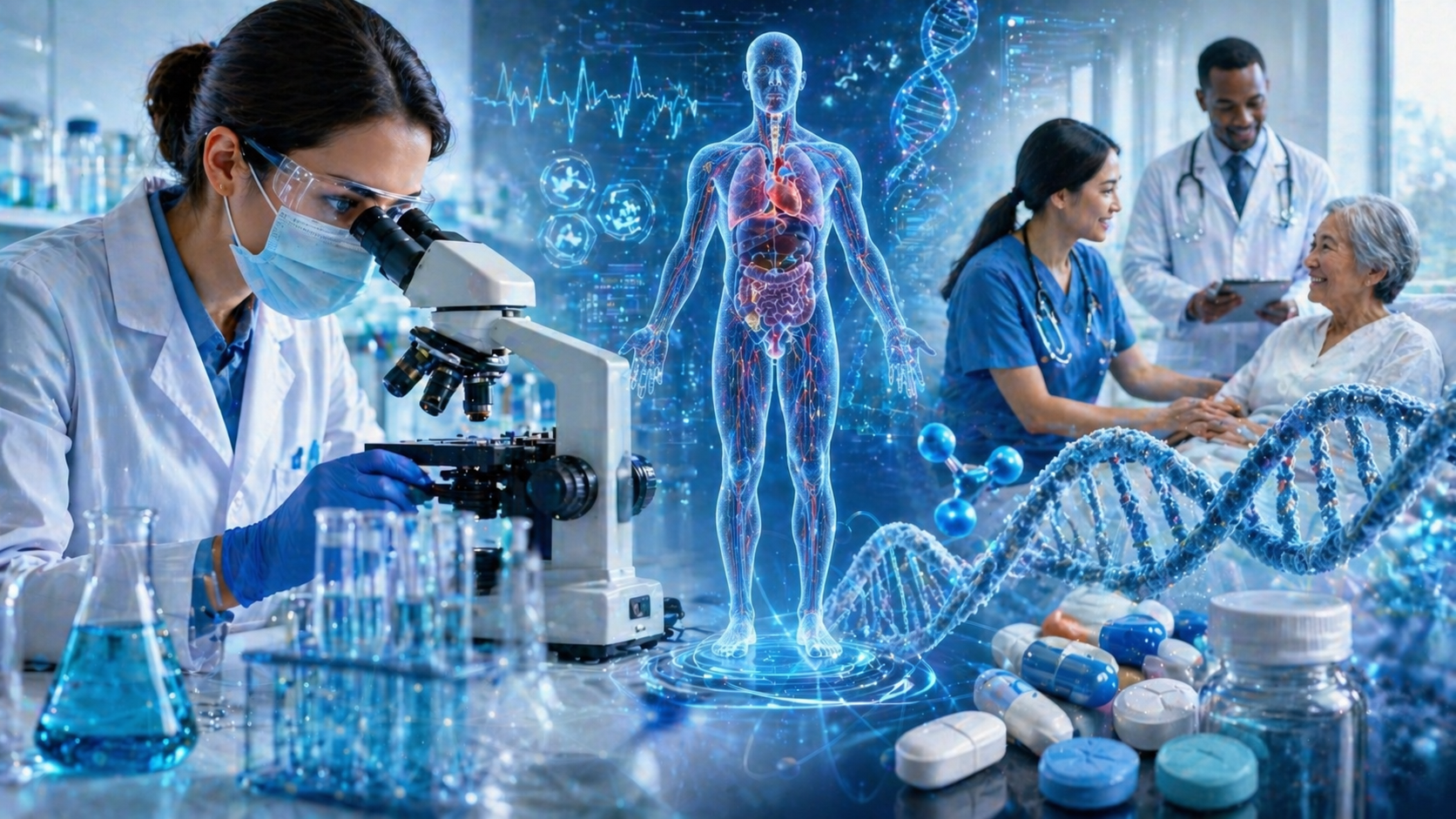 Health science as the multidisciplinary study and application of knowledge related to the well-being, medical care, and physical or behavioral health of human beings. It encompassing areas such as medicine, public health, nutrition, pharmacology, nursing, and allied health professions. It integrates scientific inquiry with real-world problem solving to prevent disease, support patient outcomes, and enhance quality of life through innovative practices, technology, and compassionate care. This includes the evidence-based development of diagnostic tools, therapeutic treatments, preventive strategies, and health policy frameworks, all grounded in the scientific method to achieve measurable improvements in well-being.
Health Science Branches
| Science |
| Applied Science |
| Health Science |
Anatomy - Branch concerned with the structure of organisms and their parts, including the organization, relationships, and physical composition of tissues and organs as observed through methods such as dissection and imaging.
Dentistry - Health profession focused on the diagnosis, prevention, and treatment of conditions affecting the teeth, gums, and oral cavity, grounded in established knowledge of oral biology, pathology, and clinical procedures.
Medicine - The applied science and practice dedicated to diagnosing, treating, and preventing disease in humans through evidence-based use of clinical knowledge, biomedical research, and therapeutic interventions.
Nutrition - Studies of how nutrients and food components are ingested, metabolized, and utilized by the body to support growth, maintenance, and overall health.
Optometry - Discipline concerned with the examination of vision, the diagnosis of certain eye conditions, and the prescription of corrective lenses or other non-surgical treatments based on established principles of visual science.
Pharmacy - Focuses on the preparation, dispensing, and appropriate use of medications, integrating knowledge of chemistry, pharmacology, and therapeutics to ensure safe and effective drug therapy.
Physical Therapy - A clinical discipline that uses evidence-based physical methods, such as exercise and manual techniques, to restore, maintain, and improve movement, function, and physical performance.
Physiology - Studies the normal functions and mechanisms of living organisms and their parts, explaining how cells, tissues, and organ systems operate individually and in coordination.
Veterinary Medicine - Dedicated to the prevention, diagnosis, and treatment of diseases in animals, as well as the promotion of animal health and, in some cases, public health through control of zoonotic diseases.