
Civil Engineering
Structural, Transportation, Surveying, Geotechnical, Hydrology, Civil, Glossary, Waste Management, Construction, Environmental, Mining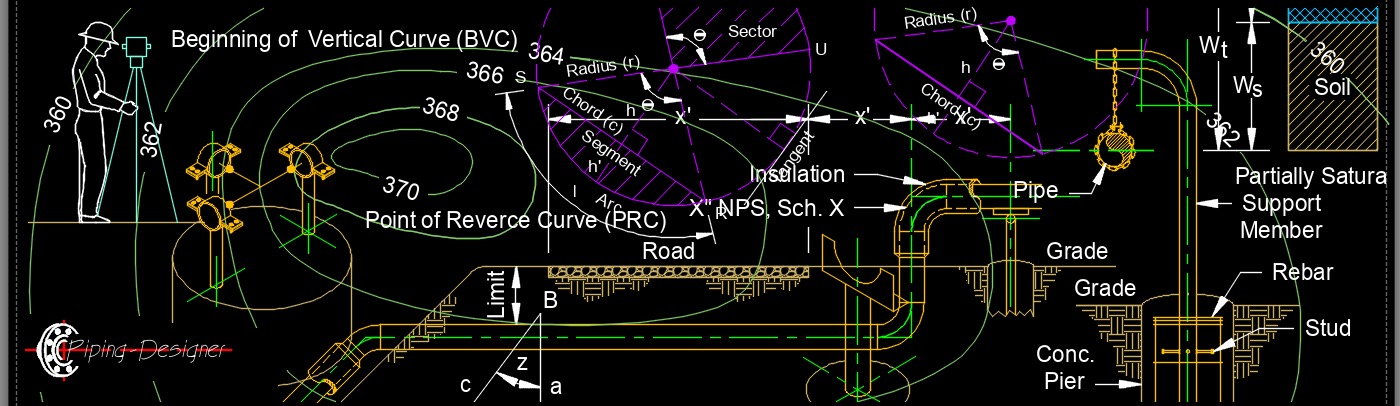
Civil engineering is a branch of engineering that deals with the design, construction, and maintenance of the built environment, including infrastructure such as roads, bridges, buildings, and water and sewage systems. Civil engineers use principles of mathematics, physics, and geology to design and construct structures that are safe, functional, and sustainable.
Civil engineers work in a variety of industries, including construction, transportation, water and sewage management, and environmental consulting. They may work in design and planning, construction management, research and development, or project management, depending on their area of specialization.
| Science |
| Applied Science |
| Engineering |
| Civil Engineering |
|
Civil Engineering Branches
Construction Engineering – A branch of civil engineering that focuses on planning, designing, and managing the construction of infrastructure and buildings, including scheduling, cost control, materials, and construction methods.
Earthquake Engineering – A field of engineering that studies the behavior of structures and infrastructure under seismic loading and develops methods to design structures that can withstand earthquakes and minimize damage.
Environmental Engineering – An engineering discipline that applies scientific and engineering principles to protect human health and the environment by improving air, water, and soil quality and managing pollution and waste.
Forensic Engineering – The application of engineering principles and investigation techniques to determine the causes of structural, material, or product failures, often for legal or safety purposes.
Fire and Safety Engineering – An engineering field concerned with understanding fire behavior and designing systems, structures, and procedures that prevent fires or minimize their impact on people and property.
Geotechnical Engineering – A branch of civil engineering that studies the mechanical behavior of soil and rock and applies this knowledge to the design of foundations, retaining structures, slopes, and earthworks.
Hydraulic Engineering – A subdiscipline of civil engineering that deals with the flow and control of water and other fluids, including the design of dams, canals, pipelines, drainage systems, and flood-control structures.
Transportation Engineering – A branch of civil engineering focused on the planning, design, operation, and management of transportation systems such as roads, railways, airports, and transit networks to ensure safe and efficient movement of people and goods.
Mining Engineering – An engineering discipline that focuses on the extraction of minerals and geological materials from the Earth, including the design, planning, and operation of mines and mineral processing systems.
Structural Engineering – A branch of civil engineering concerned with the analysis and design of structures (such as buildings, bridges, and towers) to ensure they can safely withstand loads and environmental forces.
Surveying Engineering – An engineering field that involves measuring and mapping land, determining precise positions of points on the Earth’s surface, and providing spatial data used for construction, mapping, and land development.
Waste Management Engineering – An engineering field focused on the collection, treatment, recycling, and disposal of solid and hazardous waste to minimize environmental impact and protect public health.