
Petroleum Production
Petroleum, Production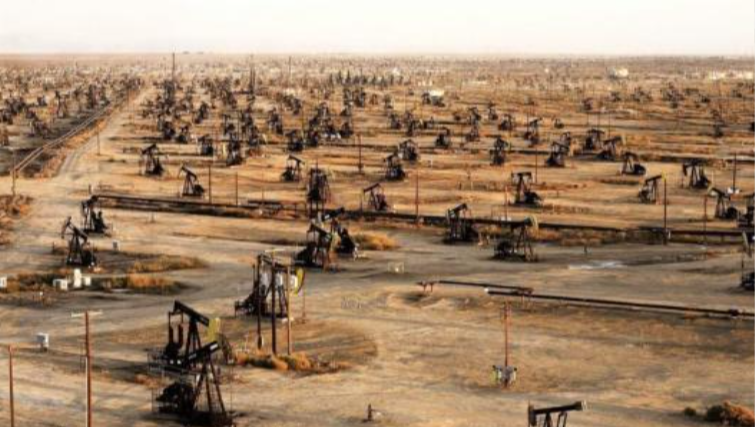
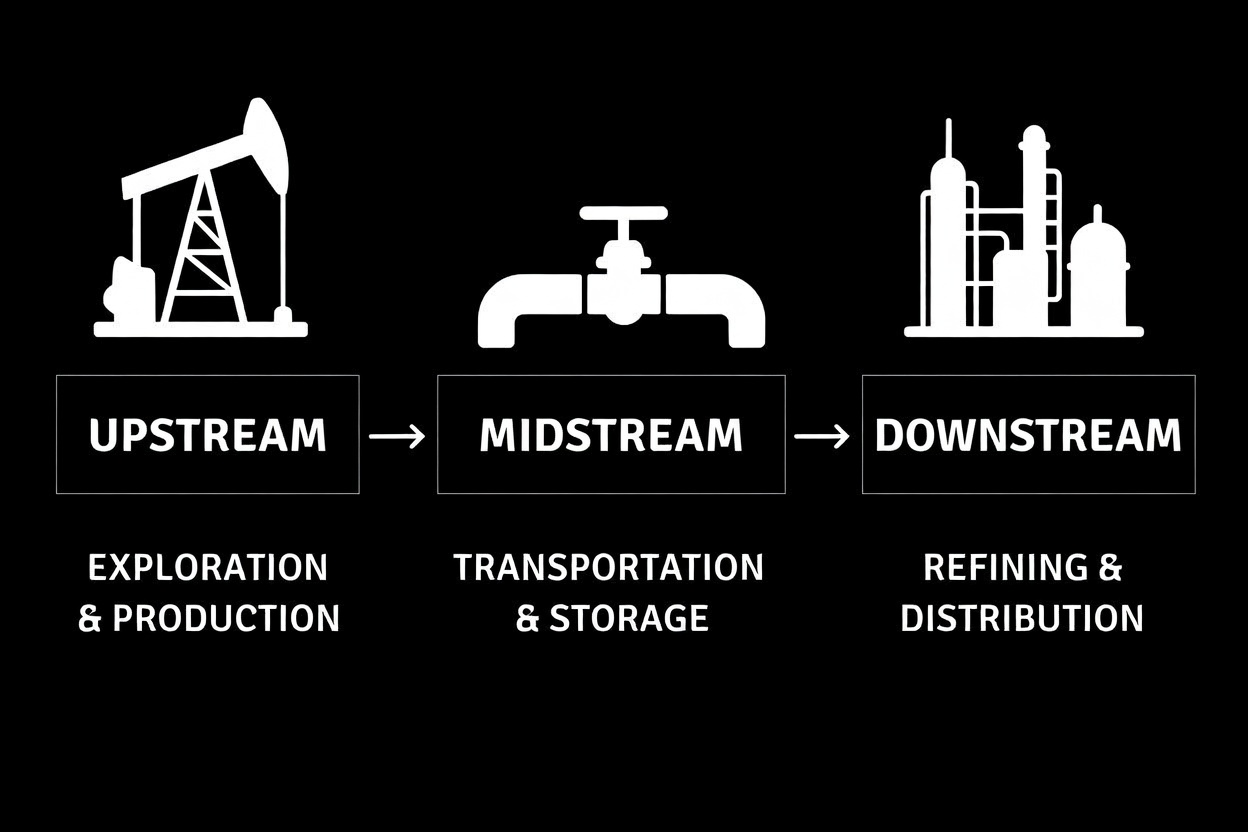 Production is the exploration and extraction of crude oil and natural gas from subsurface reservoirs. This forms the exploration and production (E&P) segment of the petroleum industry. Its a phase in which hydrocarbons are brought from a subsurface reservoir to the surface and processed to a point suitable for storage, transportation, or sale. It begins once a well has been drilled and completed, and encompasses all operations required to enable and sustain the flow of reservoir fluids, typically crude oil, natural gas, and associated water from the formation through the wellbore. This includes the management of reservoir pressure and fluid flow using natural reservoir drive mechanisms (such as solution gas drive, gas cap expansion, or water drive) or artificial lift systems (such as rod pumps, gas lift, or electric submersible pumps) when natural energy is insufficient.
| Science |
| Applied Science |
| Engineering |
| Mechanical Engineering |
| Petroleum |
| Midstream |
| Petroleum Production |
Production also includes surface handling and primary separation processes, where produced fluids are separated into oil, gas, and water phases using equipment such as separators, treaters, and dehydrators. The oil may be stabilized and stored, the gas may be compressed and transported or used on-site, and the produced water is treated and either disposed of or reinjected into the reservoir. Throughout the production phase, engineers monitor parameters such as flow rates, pressures, temperatures, and fluid composition to optimize recovery, maintain well integrity, and ensure safe and efficient operations. Petroleum production continues until it is no longer economically viable to extract additional hydrocarbons under existing technical and market conditions.
Production Steps