Logistics
Systems, Logistics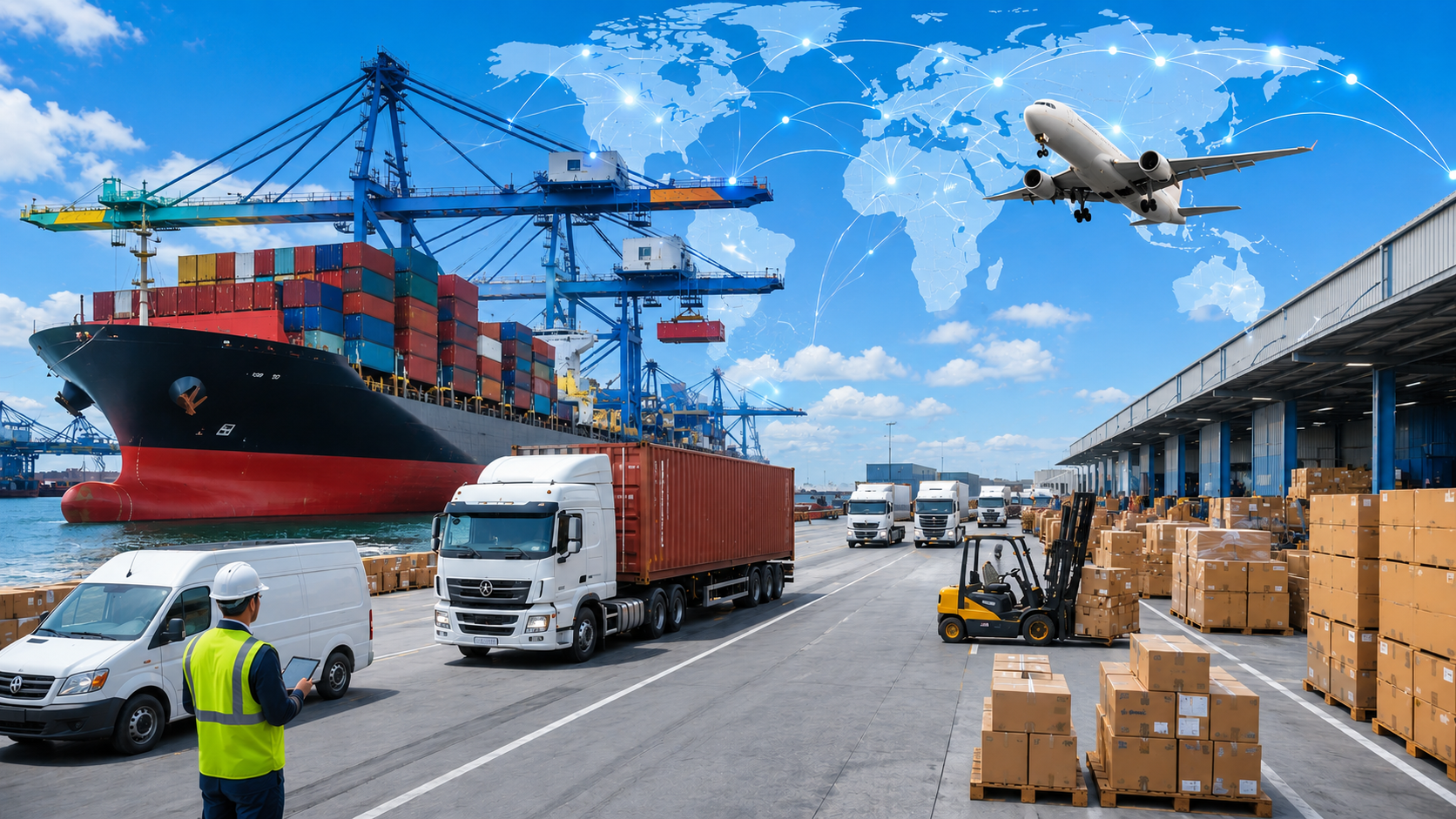 Logistics is the planning, coordination, movement, and management of resources, goods, information, and services from one location to another in order to meet specific requirements efficiently and reliably. The term is most commonly associated with transportation, warehousing, inventory management, supply chains, distribution systems, procurement, and delivery operations. In business and industry, logistics ensures that raw materials, equipment, and finished products are available at the correct place, at the correct time, in the correct quantity, and in suitable condition while minimizing cost, delay, and waste.
Logistics Activities
Logistics activities are the operational and managerial tasks involved in planning, implementing, coordinating, and controlling the efficient movement and storage from their point of origin to their point of use or consumption. These activities are components of logistics systems and supply chains and are performed to ensure that products and resources are available in the correct quantity, at the correct location, at the correct time, and in suitable condition while controlling cost and maintaining operational efficiency.
| Science |
| Applied Science |
| Engineering |
| Systems Engineering |
| Logistics |
Order Processing - The logistics activity that involves receiving, verifying, recording, and fulfilling customer orders for goods or services. It includes the sequence of operations required to move an order from initial request to final delivery. Typical order processing functions include order entry, payment verification, inventory confirmation, picking and packing of products, preparation of shipping documents, scheduling transportation, shipment tracking, and delivery confirmation. Efficient order processing is essential in logistics because it directly affects delivery speed, inventory accuracy, customer satisfaction, and operational coordination between warehouses, transportation systems, suppliers, and distribution networks
Logistics Branches
Production (or Manufacturing) Logistics - Manages the flow of materials and goods within a manufacturing or production process, optimizing internal movements, inventory during production, and related activities.
Distribution (or Outbound/Sales) Logistics - Handles the movement of finished products from the manufacturer or warehouse to customers, retailers, or end-users, including order fulfillment, transportation, and delivery.
Reverse Logistics - Manages the return flow of goods from customers back to the company for returns, repairs, recycling, or disposal, including recovery and recycling processes.