
Corrosion
Pipeline Pigging, Cathodic Protection, Corrosion, Petroleum, Material Science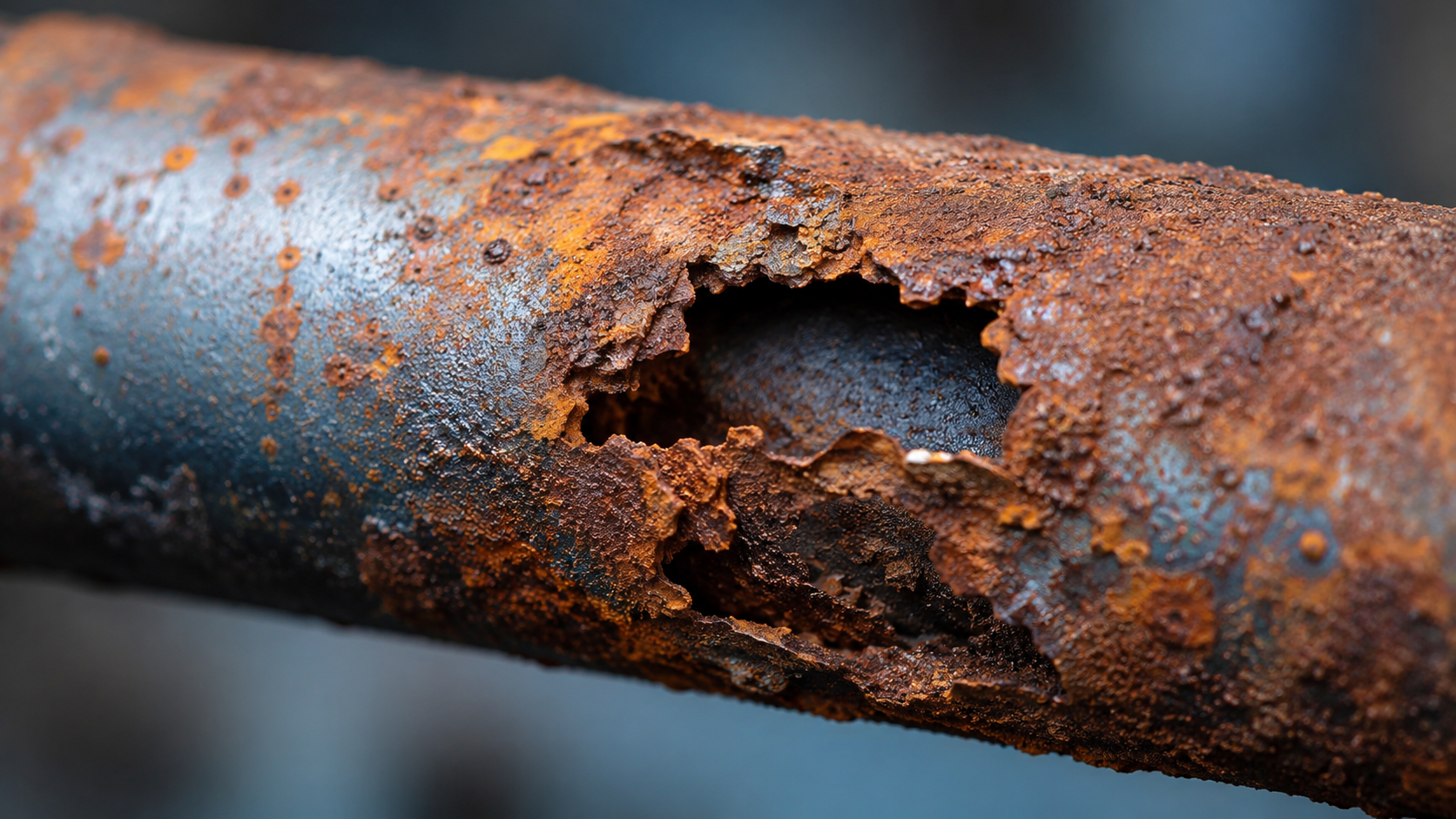 Corrosion focuses on preventing and controlling the deterioration of materials due to chemical reactions with their environment. Corrosion is a major problem in many industries, including oil and gas, chemical processing, and transportation, as it can lead to equipment failure, safety hazards, and environmental damage. The work of a corrosion engineer typically involves identifying the causes and mechanisms of corrosion, selecting appropriate materials and coatings to prevent corrosion, and developing strategies to control and mitigate the effects of corrosion. They use a variety of tools and techniques to analyze the properties and behavior of materials in different environments, such as electrochemical testing, material characterization, and computational modeling.
Corrosion engineers work in a variety of industries and settings, including research and development, design and construction, and maintenance and repair. They may work on projects related to pipeline integrity, oil rig maintenance, or material selection for chemical processing equipment. In addition to preventing and controlling corrosion, corrosion engineers may also work on projects related to material testing and certification, environmental monitoring and remediation, and safety and risk assessment. They often collaborate with other engineers, scientists, and technicians to develop and implement effective corrosion management strategies.
Corrosion Branches
What Causes Corrosion
Corrosion is caused primarily by electrochemical reactions between a material (usually a metal) and its surrounding environment, which lead to the gradual deterioration of the material. In most engineering situations, corrosion occurs when a metal reacts with oxygen, moisture, or other chemical species present in air, water, or soil. These reactions convert the metal into more chemically stable compounds such as oxides, hydroxides, or sulfides. For example, the corrosion of iron occurs when iron reacts with oxygen and water to form rust through oxidation–reduction reactions.
The fundamental mechanism involves the formation of electrochemical cells on the metal surface. Within these cells, certain areas act as anodes where metal atoms lose electrons and dissolve into the environment, while other areas act as cathodes where reduction reactions occur. The presence of an electrolyte (such as water containing dissolved salts or acids) allows ionic conduction, enabling the electrochemical process to continue. Factors that commonly promote corrosion include moisture, dissolved oxygen, electrolytes (salts or acids), differences in metal composition, mechanical stress, and temperature, all of which can accelerate the electrochemical reactions responsible for material degradation.
Corrosion Types
The Importance of Corrosion Management
Corrosion management is important for protecting the structural integrity, safety, and service life of engineering infrastructure and equipment. Corrosion gradually deteriorates metals and alloys used in bridges, pipelines, buildings, water systems, storage tanks, and marine structures. If corrosion is not properly monitored and controlled, it can reduce the load-carrying capacity of structural components, cause leaks in pipelines or tanks, and lead to sudden mechanical failure. Effective corrosion management through inspection, protective coatings, cathodic protection, material selection, and maintenance, helps ensure that structures and systems continue to perform safely within their intended design limits.
Corrosion management is also essential for economic efficiency and asset reliability. Corrosion related damage can result in costly repairs, unplanned shutdowns, and premature replacement of infrastructure. By implementing systematic corrosion monitoring, prevention, and maintenance programs, engineers can extend the operational life of facilities and reduce life-cycle costs. In addition, corrosion management plays a critical role in environmental protection and public safety, particularly in systems such as oil and gas pipelines, water distribution networks, and chemical processing facilities, where corrosion induced failures could release hazardous substances or disrupt essential services.