HVAC
Mechanical, Heat, Air, HVAC, Heat Exchanger, Boiler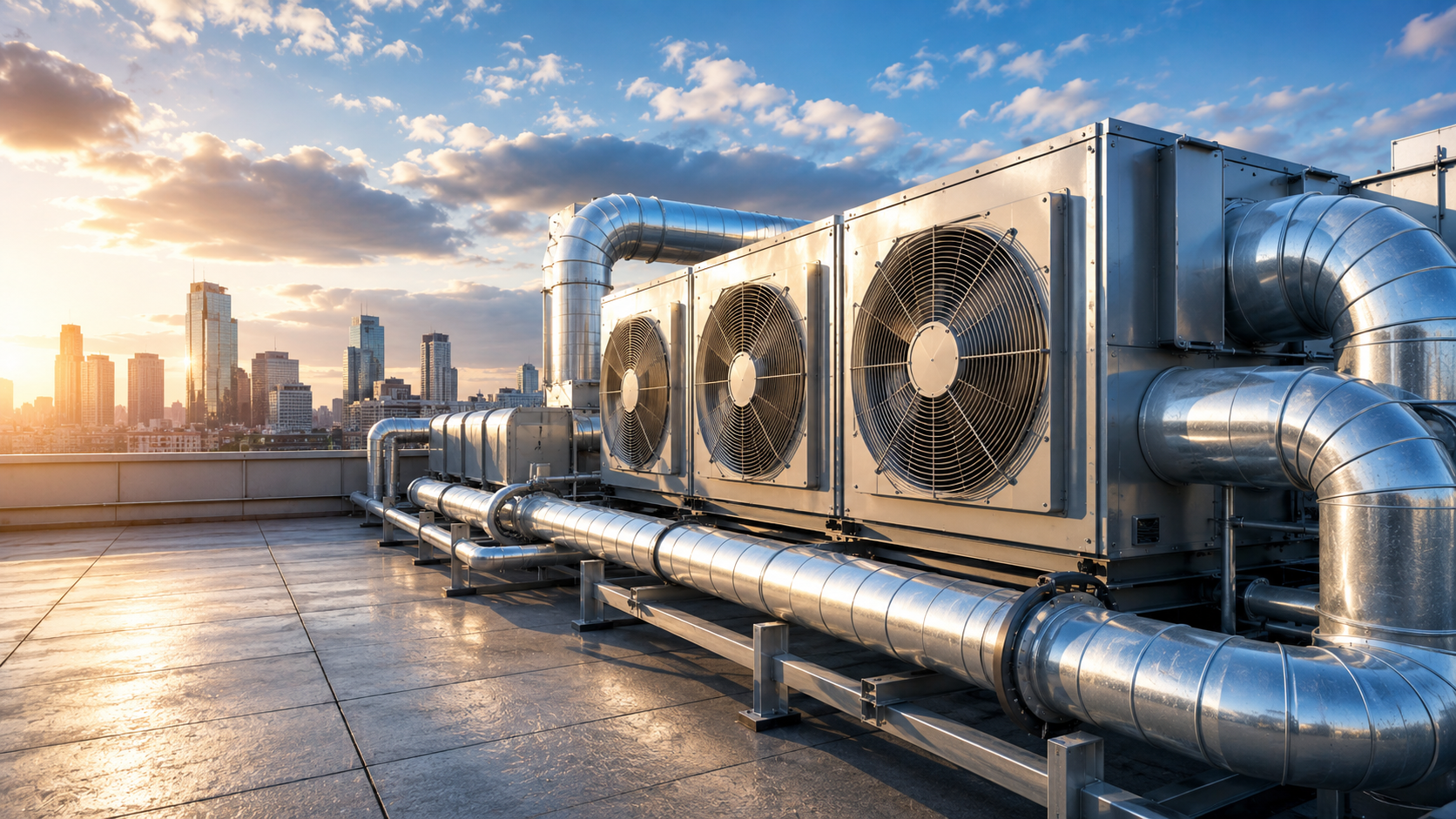 HVAC stands for Heating, Ventilation, and Air Conditioning. It is engineered systems, technologies, and processes used to control the indoor environmental conditions of buildings and enclosed spaces. HVAC systems are designed to regulate temperature, humidity, air quality, and air circulation in residential, commercial, industrial, and institutional structures. The field combines principles from thermodynamics, fluid mechanics, heat transfer, refrigeration, and mechanical engineering to create indoor environments that are safe, comfortable, and suitable for human occupancy or industrial processes.
Heating systems are used to raise or lower indoor temperatures during cold or hot conditions. Ventilation is the process of supplying fresh outdoor air to indoor spaces and removing stale, contaminated, or excess indoor air. Proper ventilation helps control odors, carbon dioxide levels, airborne particles, moisture, smoke, and other pollutants. Ventilation may occur naturally through openings such as windows, or mechanically through fans, ducts, and air-handling equipment. Air conditioning is the process of removing heat and often moisture from indoor air to maintain cooler and more controlled conditions. Most modern air-conditioning systems operate through refrigeration cycles involving compressors, condensers, evaporators, and refrigerants.
| Science |
| Applied Science |
| Engineering |
| Mechanical Engineering |
| HVAC |
HVAC systems play an important role in maintaining indoor air quality and environmental control. In addition to thermal comfort, HVAC equipment may include filtration systems, humidifiers, dehumidifiers, ultraviolet disinfection devices, and automated control systems. These systems are essential in many environments where specific atmospheric conditions must be maintained, such as hospitals, laboratories, data centers, and clean rooms.
HVAC Branches
Commercial HVAC - A systems designed for commercial buildings and business environments. Commercial HVAC systems are typically larger, more complex, and capable of serving multiple rooms, zones, or floors simultaneously. These systems often use rooftop units and building automation controls to maintain indoor environmental conditions for larger occupant loads and operational requirements.
Industrial HVAC - A systems designed for industrial facilities and process-driven environments rather than general occupant comfort alone. These systems may control airborne particles, toxic fumes, heat generated by machinery, process temperatures, humidity, or cleanroom conditions. Industrial HVAC applications often require specialized engineering to meet safety standards, environmental regulations, and industrial production requirements.
Residential HVAC - A heating, ventilation, and air-conditioning systems designed for homes, apartments, condominiums, and other living spaces. These systems are intended to provide indoor comfort, temperature regulation, humidity control, ventilation, and air filtration for occupants in residential buildings. Residential HVAC systems are generally smaller in capacity than commercial or industrial systems.
HVAC Types